
You notice it first on the pillow. Then the shower drain starts collecting more than it should. Then the brush. And somewhere in the middle of all that, you realize you’ve been hoping the problem will fix itself rather than actually doing something about it. Most people who struggle with hair loss don’t lack options, they lack a structured hair loss plan with clear milestones and honest expectations about what each week will actually look like.
This guide is that plan. Written through the lens of Hims n Hers UAE, a Dubai-based specialist in prescription-strength and supportive hair care serving UAE residents, it lays out a practical 12-week hair loss plan restoration protocol grounded in clinical evidence. By the time you finish reading, you’ll know your hair loss type, your first-line treatment options, and exactly what to expect week by week from a protocol that actually works.
Getting the diagnosis right before you spend a dirham on treatment
This is the step most people skip, and it’s the most expensive mistake you can make. Starting the wrong treatment for the wrong type of hair loss can cost you months of progress and money. The foundation of any effective hair loss management plan isn’t a product; it’s an accurate understanding of what’s actually driving your shedding.
Pattern hair loss vs. stress-related shedding: what the difference looks like
Androgenetic alopecia presents gradually. In men, it typically shows as a receding hairline, crown thinning, or both, following the Norwood scale. In women, it appears as a widening part or diffuse thinning across the crown, consistent with the Ludwig scale. Telogen effluvium, by contrast, is sudden, diffuse, and closely tied to a trigger: illness, nutritional deficiency, major surgery, or prolonged stress. These two conditions need completely different protocols, so confusing them at the start sets you back significantly.
A quick self-assessment you can do at home
Look at where the thinning is concentrated. If it’s specifically at the temples, crown, or part line, androgenetic alopecia is the more likely culprit. Check for miniaturized hairs at those sites, finer, shorter, and lighter than the surrounding hair. A simple hair pull test (gently tugging 40, 60 hairs between your fingers) that yields more than 6 hairs is a sign of active shedding worth investigating. Duration matters too: pattern hair loss is gradual and ongoing, while telogen effluvium typically peaks at three to four months after the trigger and then resolves.
Why guessing costs you time
Trichoscopy and a targeted blood panel at a UAE dermatology clinic can frequently identify whether your hair loss is hormonal, nutritional, or stress-related within a single visit, though some diagnoses may require follow-up tests to rule out less common causes. That information directly determines which treatments belong in your scalp treatment protocol. Spending six months on a minoxidil regimen when your shedding is actually driven by iron deficiency is not a treatment plan; it’s an expensive detour.
First-line hair loss plan options with the strongest evidence
Once you have a confirmed diagnosis of androgenetic alopecia, the evidence strongly points to two primary options. Everything else builds on this foundation.
Minoxidil: choosing the right strength and form
Topical minoxidil is the most widely used and best-supported first-line option for both men and women. Clinical reviews show that 5% topical minoxidil produces roughly 70% greater improvement in mean hair density compared to placebo over 16 to 26 weeks. For patients who plateau on standard concentrations, higher-strength formulas are available through specialist retailers like Hims n Hers UAE, including minoxidil at concentrations beyond the standard 5%, options typically reserved for cases that don’t respond adequately to standard-strength products and used under specialist supervision, given limited supporting evidence for additional benefit at very high concentrations. Oral minoxidil is gaining traction as well, particularly for patients who find topical application inconvenient, though its systemic side-effect profile requires more careful monitoring.
Finasteride and dutasteride for men: what the data shows
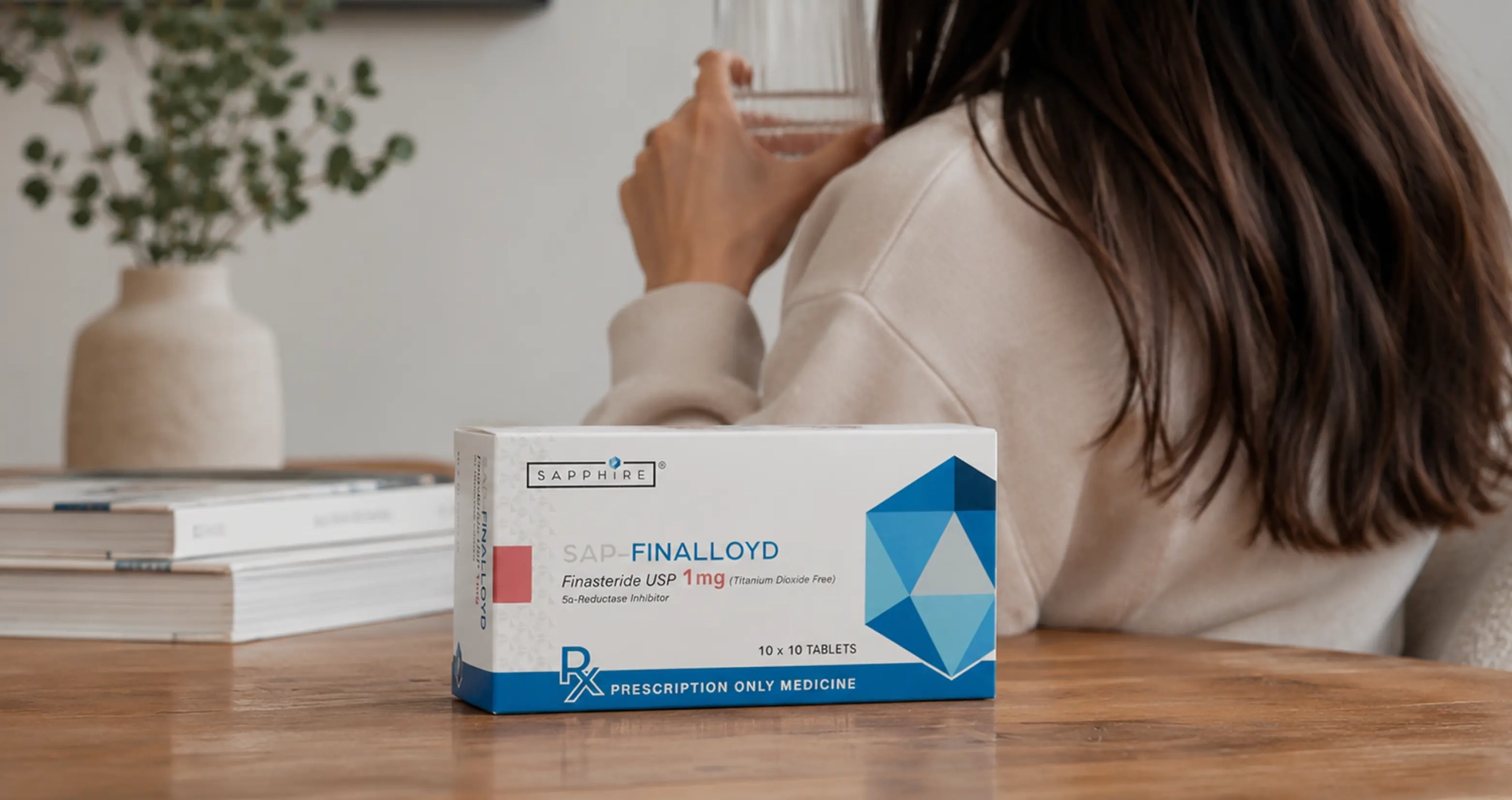
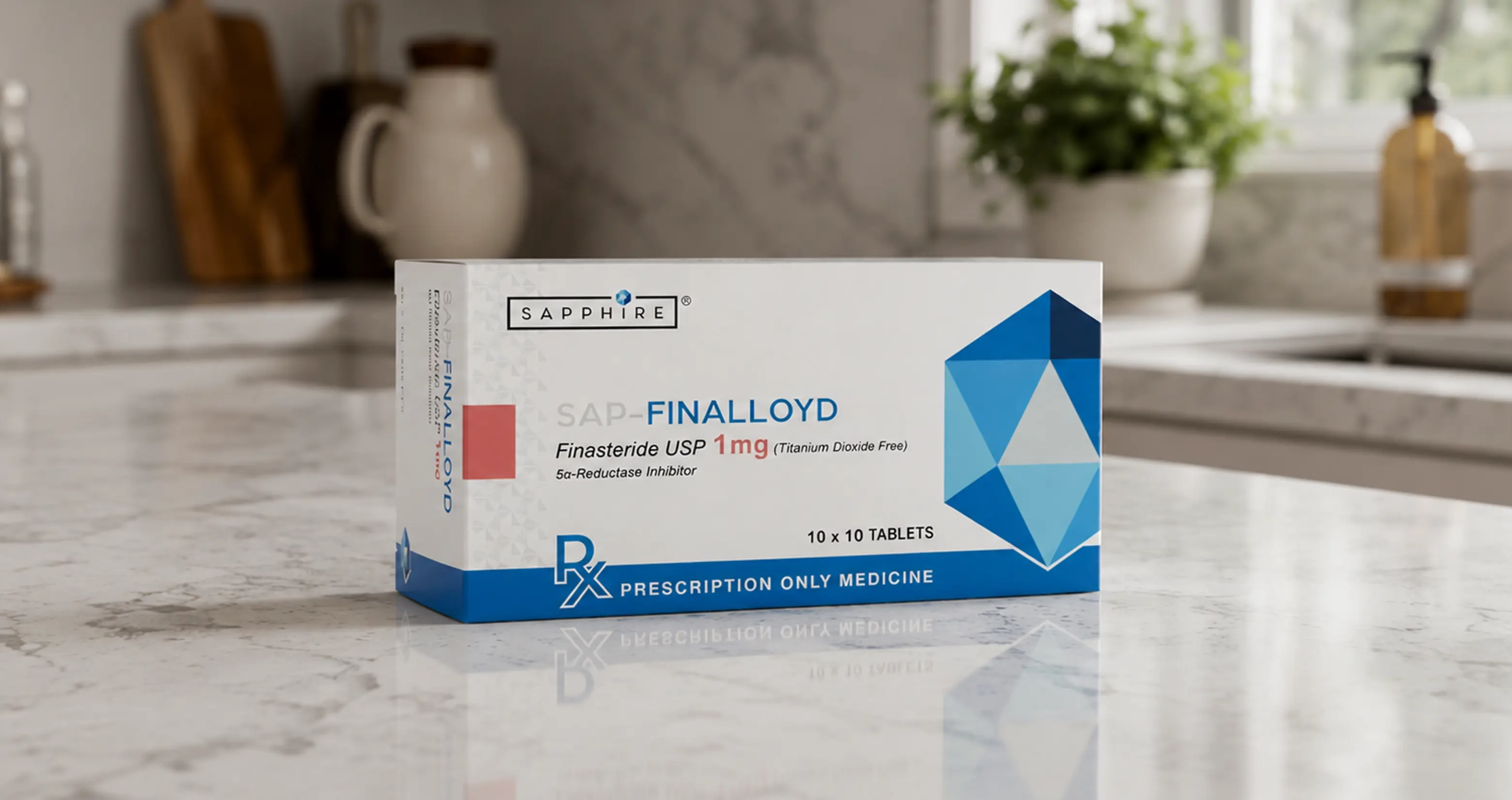
Oral finasteride at 1 mg/day is the most evidence-supported systemic option for men with androgenetic alopecia. A large Japanese study referenced across multiple systematic reviews reported 11.1% marked regrowth, 36.5% moderate regrowth, and 39.5% “slight improvement” in growth over three years of continuous use. Dutasteride is clinically superior to finasteride on hair count and hair width measurements at 12-week hair loss plan to 24 weeks, but it’s used off-label in most markets. The practical choice between the two comes down to response: if finasteride hasn’t produced meaningful stabilization after a fair trial, commonly assessed at 6 to 12 months, switching to or adding dutasteride is worth considering under specialist supervision.
Women-specific options: what actually works
Topical minoxidil is the first-line treatment for female pattern hair loss. Both 2% and 5% formulations are used clinically, and evidence favors 5% for greater regrowth, one trial found 19% moderate regrowth with topical minoxidil compared to 7% with placebo. Some women also benefit from spironolactone, an off-label antiandrogen that the American Academy of Dermatology includes in its clinical guidelines as effective in roughly 40% of women with pattern hair loss. Supportive nutritional supplements are best used alongside a topical regimen to address any identified deficiencies, not as a standalone solution. None of these options replaces a dermatology evaluation, but together they form the core of a well-structured female alopecia treatment plan.
Your 12-week hair loss plan with realistic milestones
Structure matters here. Think of this as three four-week phases, each with a specific goal and a specific mindset to bring to it.
Weeks 1 to 4: building the routine and setting a baseline
Week one is entirely about consistency, not results. Apply minoxidil twice daily at the same times each day, take finasteride every morning, and photograph your scalp under consistent lighting to create a clear baseline. Document the date, lighting conditions, and any early observations such as scalp sensitivity or changes in shedding volume. You won’t see regrowth yet, and that’s completely expected at this stage.
Weeks 5 to 8: navigating the shedding phase without panic
Weeks four through eight are where most people abandon their protocol, and it’s the single most predictable point of failure in any hair regrowth plan. Minoxidil pushes resting-phase follicles into the growth cycle, which causes temporary shedding before new hair emerges. This is documented, expected, and is not a sign the treatment is failing. Consistent application during this window matters more than at any other point in the plan. If you’re on oral finasteride, this phase may also bring the first subtle sign of success: a reduction in daily shedding from its peak.
Weeks 9 to 12-week hair loss plan: reading your first results and deciding what to adjust
By weeks nine to twelve, early vellus hairs (fine, light regrowth) are often visible at the hairline or crown in patients responding to minoxidil. Compare your week-twelve photographs to your baseline under the same lighting. Finasteride results at this stage are typically modest; the six-month mark is the more meaningful checkpoint for assessing systemic response. If density has held or improved even slightly, the protocol is working. If there has been no change at all, this is the moment to consult a dermatologist about whether an adjunct treatment or a protocol adjustment is warranted.
Adjuncts in your hair loss plan: PRP and LLLT
Once the core regimen is established and tolerated, adjunct options can meaningfully support the process. Two have the strongest clinical rationale in the UAE context.
What PRP adds to a standard regimen
Platelet-rich plasma injections use the patient’s own growth factors to stimulate the follicular environment. Recent reviews and multiple randomized trials show improvements in hair density, hair count, and hair shaft diameter, with initial visible results typically appearing at three to six months and peak outcomes at six to twelve months. UAE clinics most commonly recommend three sessions spaced four weeks apart as the starting course, followed by maintenance every two to three months.
Per-session pricing varies widely by provider and protocol, the research-reported range runs from approximately AED 299 to AED 1,299, with package rates typically lower than single-session pricing, for a regional price reference see PRP hair treatment cost in Dubai. Leukocyte-poor PRP formulations currently show the most favorable hair-specific evidence. The surrounding clinical environment at a given clinic can vary considerably, so it’s worth asking which protocol they follow before booking.
LLLT as a low-risk daily support tool
Low-level laser therapy devices, combs, caps, and helmets, work through photobiomodulation: red light in the 630 to 670 nm range penetrates the scalp and supports mitochondrial activity in follicular cells, reducing inflammation and encouraging the anagen growth phase. Results are modest and gradual, with most clinical trials showing benefit after 16 to 26 weeks of consistent use three times per week.
For an accessible overview of the evidence behind low-dose laser devices, see resources explaining low-dose laser therapy for hair loss. LLLT carries almost no risk, can be used at home, and sits comfortably alongside a more complete hair loss plan for patients who want to be thorough with their protocol. It is not a substitute for minoxidil or finasteride; it’s a complement to them.
Side effects, safety, and what to monitor month by month
An honest treatment plan includes honest side-effect guidance. Both primary medications are safe for the vast majority of patients, but knowing what to watch for keeps you on protocol safely.
Finasteride: sexual side effects in perspective
The most cited concern is a group of sexual side effects: decreased libido, erectile dysfunction, and reduced ejaculate volume. These occur in a minority of men and are reversible on discontinuation in most documented cases. Finasteride is contraindicated in pregnancy; women who are pregnant or trying to conceive should not handle crushed or broken tablets because of the risk to a male fetus. Regular follow-up with a prescribing doctor is standard for any man on long-term finasteride. If you notice mood changes, report them promptly rather than waiting for your next scheduled visit.
Minoxidil: what to watch for topically and orally
Topical minoxidil side effects are mostly localized: scalp itching, dryness, and redness that typically settle within two to three weeks as your scalp adjusts. Oral minoxidil carries a different risk profile. Fluid retention, palpitations, and tachycardia are the key watch-points, and anyone with a cardiovascular history should only start oral minoxidil under direct medical supervision with regular blood pressure and weight monitoring. For most healthy adults using topical formulations, no routine blood work is required, but your individual health profile determines the right monitoring approach.
Your monitoring checklist at weeks 4, 8, and 12-week hair loss plan
- Photograph the scalp under consistent lighting every four weeks
- Note any side effects and their frequency in a simple log
- Check weight and blood pressure regularly if using oral minoxidil
- Report sexual side effects or mood changes to your prescribing doctor promptly, not at the next annual checkup
When to escalate and where to source your products in the UAE
Red flags that need a specialist, not a product swap
Some presentations should go straight to a dermatologist or trichologist rather than into a self-managed protocol. Sudden diffuse hair loss appearing within weeks, patchy circular loss that may suggest alopecia areata, scalp pain or visible inflammation, and zero response after six months of consistent first-line treatment all warrant a clinical consultation. UAE-based clinics can offer trichoscopy, blood panels for nutritional deficiencies, and prescription options not available over the counter.
Building your protocol with the right products, delivered in the UAE
For residents who have a confirmed diagnosis and want a reliable, specialist source for their full protocol, Hims n Hers UAE stocks the core components a sound hair loss plan requires: oral and topical finasteride, minoxidil at a range of concentrations, dutasteride options, Follics FR shampoos and conditioners formulated specifically for hair loss, and nutritional supplements for supportive care. The advantage of sourcing from a specialist over a general pharmacy is access to the complete protocol in one place, with product guidance that reflects what UAE dermatologists are actually recommending. Everything ships discreetly within the UAE, backed by a support team that knows this category.
Commit to the protocol, then give it time
A hair loss plan is not a product. It’s a structured protocol with clear milestones, the right first-line treatments, honest expectations, and a non-negotiable commitment to consistency. The first 12-week hair loss plan is about establishing the foundation, not seeing the final result. A modest improvement is realistic by week twelve. Meaningful density change happens by month six. Most patients who stay the course see their peak results at around the twelve-month mark of continued treatment.
Start with the right diagnosis and choose evidence-based treatments matched to your specific hair loss type. Photograph your baseline, apply consistently, and resist the urge to quit during the shedding phase, that’s the point where most people lose ground, and holding the line there is what separates a plan that works from one that doesn’t. When you’re ready to source the treatments that make this plan work, Hims n Hers UAE is the specialist resource built exactly for UAE residents navigating this process.
FAQS
Q: How can I tell if my hair loss is androgenetic alopecia or telogen effluvium?
A: Androgenetic alopecia is gradual and often shows as a receding hairline, crown thinning, or diffuse crown thinning (referenced by the Norwood scale in men and the Ludwig scale in women). Telogen effluvium is sudden, diffuse, and typically follows a clear trigger such as illness, surgery, nutritional deficiency, or prolonged stress. Duration and pattern are the main clues: pattern loss is ongoing, while telogen effluvium usually peaks three to four months after a trigger and then resolves.
Q: What simple self-assessment can I do at home to check my shedding?
A: Look at where thinning is concentrated—temples, crown, or part line suggest pattern hair loss—and check for miniaturized hairs that are finer and shorter than surrounding hair. Perform a hair pull test by gently tugging about 40–60 hairs; yielding more than six hairs is a sign of active shedding worth investigating. Also note timing: sudden diffuse shedding points toward telogen effluvium, while gradual changes suggest androgenetic alopecia.
Q: Why is getting a proper diagnosis before starting treatment important?
A: Starting the wrong treatment wastes time and money and can delay real progress—for example, treating iron-deficiency shedding with minoxidil won’t fix the underlying issue. Trichoscopy and a targeted blood panel at a UAE dermatology clinic can often identify whether your loss is hormonal, nutritional, or stress-related in a single visit. That diagnostic information directly determines which treatments belong in your scalp treatment protocol.
Q: What are the first-line treatment options for confirmed androgenetic alopecia?
A: The evidence strongly supports two primary options, with everything else building on that foundation. Topical minoxidil is the most widely used and best-supported first-line option for both men and women. Other measures and prescription options should be layered based on diagnosis and specialist guidance.
Q: How effective is 5% topical minoxidil and how long does it take to see improvement?
A: Clinical reviews show that 5% topical minoxidil produces roughly 70% greater improvement in mean hair density compared to placebo over 16 to 26 weeks. Expect to give a standard minoxidil regimen several months before judging its effect, and discuss next steps with a specialist if you plateau. Monitoring and realistic expectations are part of an effective treatment plan.
Q: Are higher-strength minoxidil formulas available if standard doses don’t work?
A: Yes—specialist retailers like Hims n Hers UAE offer higher-strength minoxidil formulas beyond the standard 5% for patients who plateau on standard concentrations. These options are typically reserved for non-responders and are used under specialist supervision, since supporting evidence for additional benefit at very high concentrations is limited. A specialist can help weigh potential benefits against risks.
Q: Where should I go in the UAE for assessment and prescription-strength care?
A: Seek a UAE dermatology clinic that offers trichoscopy and targeted blood panels to identify whether your hair loss is hormonal, nutritional, or stress-related. For prescription-strength and supportive hair-care options, specialist providers such as Hims n Hers UAE can supply supervised higher-strength products and integrate them into a structured treatment protocol. Starting with a proper assessment ensures any prescribed treatment addresses the real cause.