
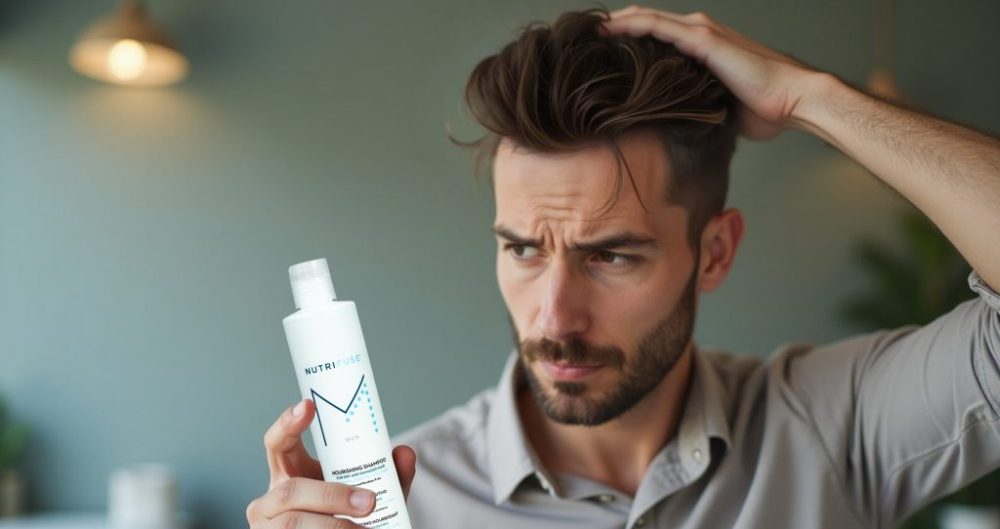
Don’t panic if you’re running your fingers through your hair and seeing more strands coming out than expected; you’re not alone. Don’t panic if you’re running your fingers through your hair loss and seeing more strands coming out than normal; you’re not alone. The good news is that as soon as you understand why it is happening, you can act to manage it.
The Eight Most Common Reasons Men Lose Hair
1. Blame Your Genes: Male Pattern Baldness
This is the big one. You’re more likely to follow suit if your father or grandfather went bald.
What’s happening
– Your body converts testosterone into DHT (dihydrotestosterone)
– DHT shrinks hair follicles over time
– Hair grows back thinner and weaker until it stops altogether
What you can do
✓ FDA-approved medications like finasteride can block DHT
✓ Minoxidil (Rogaine) stimulates hair growth
✓ Early treatment yields best results
2. Stress is Stealing Your Hair
Dubai’s fast-paced lifestyle isn’t doing your hair any favors.
Types of stress-related hair loss
– Telogen effluvium (sudden shedding 2-3 months after stress)
– Trichotillomania (stress-induced hair pulling)
Recovery tips
✓ Practice stress management (yoga, meditation)
✓ Get 7-8 hours of sleep
✓ Consider speaking to a professional
3. Your Scalp is Under Attack (From Your Environment)
The UAE’s climate presents unique challenges:
Environmental factors
- Intense sun exposure damages hair proteins
- Hard water leaves mineral buildup on scalp
- Air conditioning dries out hair
Protective measures
✓ Wear hats outdoors
✓ Install a shower filter
✓ Use hydrating hair masks weekly
4. Missing Key Nutrients
Your hair needs specific vitamins and minerals to progress
Essential nutrients for hair growth
– Protein (hair is made of keratin)
– Iron (carries oxygen to follicles)
– Zinc (repairs hair tissue)
– Vitamin D (stimulates follicles)
Foods to focus on
✓ Eggs, salmon, spinach, nuts, and seeds
5. Bad Hair Care Habits
You might be causing damage without realizing it:
Common mistakes
– Using hot water when washing hair
– Rough towel drying
– Overusing heat tools
– Wearing tight hairstyles
Better alternatives
✓ Use lukewarm water
✓ Pat dry with microfiber towel
✓ Let hair air dry when possible
6. Underlying Health Conditions
Sometimes hair loss signals other issues:
Medical causes
– Thyroid disorders
– Autoimmune diseases
– Scalp infections
– Recent illnesses or surgeries
When to see a doctor
- If hair loss is sudden or patchy
- If accompanied by other symptoms
7. Medications With Hair Loss Side Effects
Common culprits include
– Blood pressure medications
– Antidepressants
– Steroids
– Acne medications
What to do
✓ Never stop medication without consulting your doctor
✓ Ask about alternatives if hair loss is severe
8. The Natural Aging Process
After 30, most men experience
– Slower hair growth
– Thinner hair shafts
– Less pigment (graying)
The silver lining
Taking care of yourself can slow down time, but it can’t stop.
Medical Treatments That Work
1. Finasteride – A pill you need a doctor’s prescription for that stops DHT (dihydrotestosterone)
2. Minoxidil – A treatment you put on your scalp that the FDA says is okay to help hair grow.
3. PRP Therapy – Puts concentrated blood plasma into your scalp to wake up hair follicles
Natural Approaches Worth Trying
– Scalp massage to increase blood flow
– Rosemary oil (studies show it may be as effective as minoxidil)
– Saw palmetto supplements
Lifestyle Changes That Help
✓ Reduce stress through exercise or meditation
✓ Quit smoking (it restricts blood flow to follicles)
✓ Protect hair from sun damage
When to Seek Professional Help
Consider consulting a dermatologist if:
– You’re losing more than 150 hairs per day
– You notice sudden bald patches
– Your scalp is itchy or painful
– You’re experiencing other symptoms
Real Solutions for Thinning Hair
While hair thinning can be distressing, today’s treatments are more effective than ever. The key is to.
1. Identify your specific cause(s)
2. Start treatment early
3. Be consistent with your regimen
Remember, you’re not powerless against hair loss. With the right approach, you can maintain (and even regrow) your hair.