
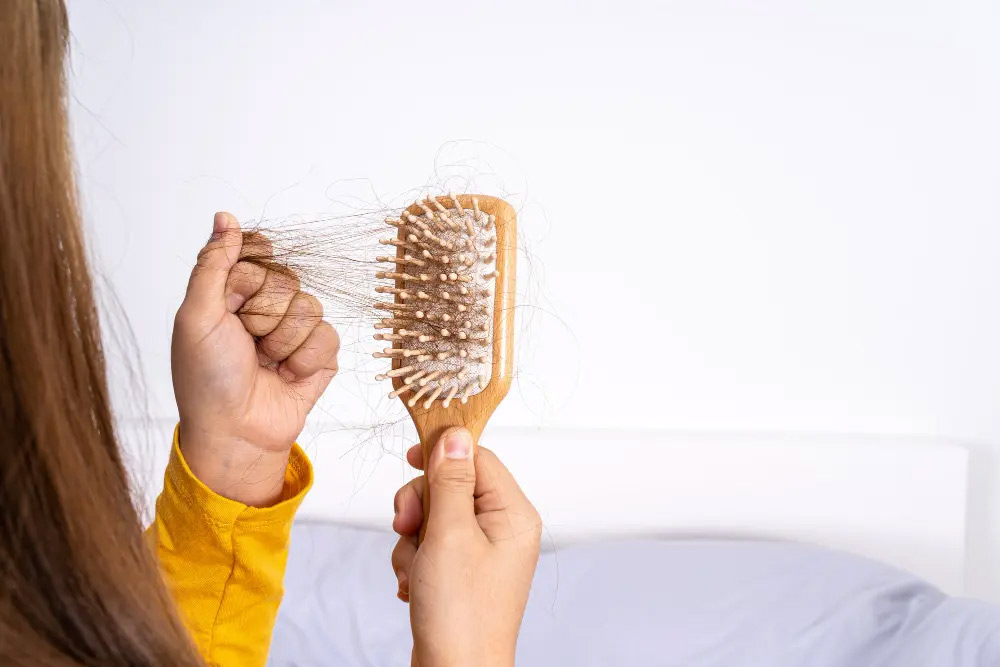
Noticing that there is more hair in your brush than before, in the drain of your shower, and in places in your head where the hair is becoming thinner are all quite disturbing. Hair loss, commonly referred to as alopecia, is one of the concerns that affects millions of people worldwide and its causes may be traced to a complex set of factors, consisting of genetic and hormonal parameters, coupled with lifestyle and environmental factors. It can be scary at first but the upside is that in most situations hair loss can be countered, halted, and even regained as long as proper methods and is properly employed regularly.
Cessation of hair loss is an entire approach that integrates careful hair and scalp care, concerted lifestyle modification, and medical care as required; it is not a single magic bullet. This comprehensive manual will assist you in dealing with hair loss problems through most effective methods, which will give you the knowledge to maintain healthy hair.
1. Nurturing Your Scalp and Hair: The Foundation of Health
It all begins with your scalp and the condition of your hair. Breaking can be significantly reduced, irritation avoided and an optimum growth environment can be created by proper care.
Delicate Wash and Conditioning:
- Choose non-sulfate, mild shampoos and conditioners that do not take away your natural scalp oils. Tough chemicals do harm the strands of hair and leave the scalp with irritations.
- Massage your head gently with these products by using your fingertips during shampooing; stimulate blood flow instead of applying extreme massage. Wash with cool water, not hot because it would dry your hair and scalp.
- The secret lies in using a moisturizing conditioner and focusing on the midlength and ends. Consider applying leave-in conditioners or hair masks once or twice a week to provide constant moisturizing and strengthening of the hair strands. Hydrated hair is less breakable and it is more elastic.
Avoid Vigorous Treatment and Remodeling:
- Heat Styling Excessive application of styling instruments such as curling irons, straighteners, and blow dryers can radically damage hair protein framework, which results in weakness and splitting. Whenever necessary, apply a high-quality heat protectant spray and the lowest possible heat setting of the tool you are using. Air drying your hair as much as possible is the most delicate option available.
- Relaxers, perm and frequent hair coloring also weaken the hair shaft making it brittle and prone to loss. Chemical treatments In case you use these treatments do it with a specialist and conduct strict conditioning.
- Select loose hair styles that would not strain your head too much. The other styles which pull heavily on the hair, like high ponytails, tight braids, cornrows, or dreadlocks, may result in traction alopecia- a hair loss condition associated with constant tension on the hair root.
Protect Our Environment:
- The sun protection regards not only your skin but your hair and scalp too. Hair can lose moisture, be damaged and the follicle can be destroyed by long sunlight exposure. Hats or products with UV protection/hair should be used when outside a long period.
- To minimize damage and dryness before and after a session of swimming in chlorinated swimming pools or saltwater, rinse your hair using clean water.
2. Growing Self-Sustaining: Diet and Nutrition
Your diet has a direct effect on the health of your hair. Remarkable and healthy strands rely on a healthy diet which is high in particular nutrients.
- The hair contains in large part protein (keratin). Taking in foods that contain adequate protein is core in hair growth. Lean proteins, fish, eggs, dairy, legumes, nuts, and seeds are more welcome.
- Oxidative stress may destroy the hair follicles. Antioxidants rich foods are good in combating this. Inculcate a spectrum of colorful fruits and vegetables such as berries, spinach, kale, bell peppers and sweet potatoes.
Essential Vitamins and Minerals:
- Iron deficiency (anemia) is one of the factors that cause hair loss and it is very common among women. Red meat, poultry, fish, lentils, spinach and fortified cereals are good sources of it.
- This one has been reported to be a contributor to hair and nail health is biotin, which helps to promote keratin. Get some in eggs, nuts, seeds, sweet potatoes and avocados.
- Zinc aids in the development and repair of hair follicles, so it could be consumed in meat, shellfish, legumes, nuts, and seeds.
- Has a role in cycling of hair follicles. Obtain it through sun and fatty fish and fortified foods.
- These are good fats that decreasing inflammation and enrich hair follicles.
3. Managing Stress
A common cause of various hair loss forms, especially telogen effluvium, is stress, which in extreme conditions may force many hair follicles into the resting phase, which results in excessive shedding. You should know what causes you to be stressed. After identifying them, you should start devising some strategies in order to reduce their effect.
Healthy Stress Management Techniques:
- Engaging in physical activities keeps stress at bay because exercise produces endorphins, which raise the mood.
- Other ways to make the nervous system calm and lower cortisol levels include meditation and breathing techniques, as well as mindfulness.
- This is a combination of physical exercises, breathing and meditation which is still holistic in dealing with stress.
- Being in nature: it is now demonstrated that outdoor time helps to relieve stress and increase well-being.
- Do some activities you like, reading or listening to music, or other creative hobbies.
- Find your Support: Sometimes stress may become too much on your shoulders, and you may become unable to cope with it. In this case, you should seek support from a therapist, counselor or even join a support group. Good coping mechanisms can be achieved with professional advice.
4. Medical Treatments Solutions
- To many people, lifestyle changes are not sufficient where baldness is inherited or severe. The medically-based interventions provide specific treatment methods of preventing a further development and triggering recovery.
Minoxidil:
- Topical cream (liquid or foam) Over-the-counter treatment that improves blood circulation to the hair follicle and causes slower hair loss and hair regrowth among men and women.
Finasteride:
- An anti-androgen pill of a type used by men (blocks DHT [the hormone that causes pattern baldness in men]) inhibiting hair loss further and faster getting it to regrow.
Microneedling:
- A low-invasive treatment that makes small injuries on a scalp, opens the healing process, growing blood, and increasing absorption of topical patches even with Minoxidil.
Low Laser Light Therapy (LLLT):
- A light therapy, non-invasive treatment which stimulates the hair follicles, decreases inflammation, and over time helps to promote healthier and thicker hair.
Recommendation to a Dermatologist:
- The most appropriate initial step! A specialist will be able to diagnose the cause of your hair loss and make a customized plan of treatment to produce the best outcomes.
5. Other Important Considerations
In addition to the major causes, there are several minor factors that can induce hair loss and they need to be discussed.
- Smoking: The studies indicate that smoking has some relation with hair loss. Smoking may limit the supply of blood to the scalp and promote oxidative stress, which are unhealthy to hair follicles. Stopping the habit of smoking could be fruitful to the health including the health of hair.
- Medications: It should be known that there are medications with hair loss as one of its side effects. In case you observe that there is shedding of hair, after the appointment of a new drug, communicate your feeling with the doctor. Do not stop taking prescribed medicine before consulting a doctor.
- Secondary Medical Causes: There are situations when hair loss is at the effect of a secondary medical condition. Other factors that may lead to loss of hair include thyroid diseases (hypothyroidism or hyperthyroidism), lupus, polycystic ovary syndrome (PCOS), or iron deficiency anemia. It is critical to ensure that these causes are well diagnosed and maintained by a medical practitioner so as to address the issue of hair loss successfully.
First Step Towards Healthier Hair
The process of hair loss prevention is long, and it involves patience, steadiness, and a combination of methods. With the introduction of gentle hair care ideas, feeding your body with the healthy balance of nutrients, addressing stress issues properly, and searching proper medical solutions, one can contribute to the health and integrity of its hair drastically.
Your hair loss should not describe you. Do something positive now to familiarize yourself with the needs of your hair and begin to chart a course towards renewed self confidence and a denser head of hair.